Donnerstag, 6. März 2014

First day at the ITB Berlin

Image
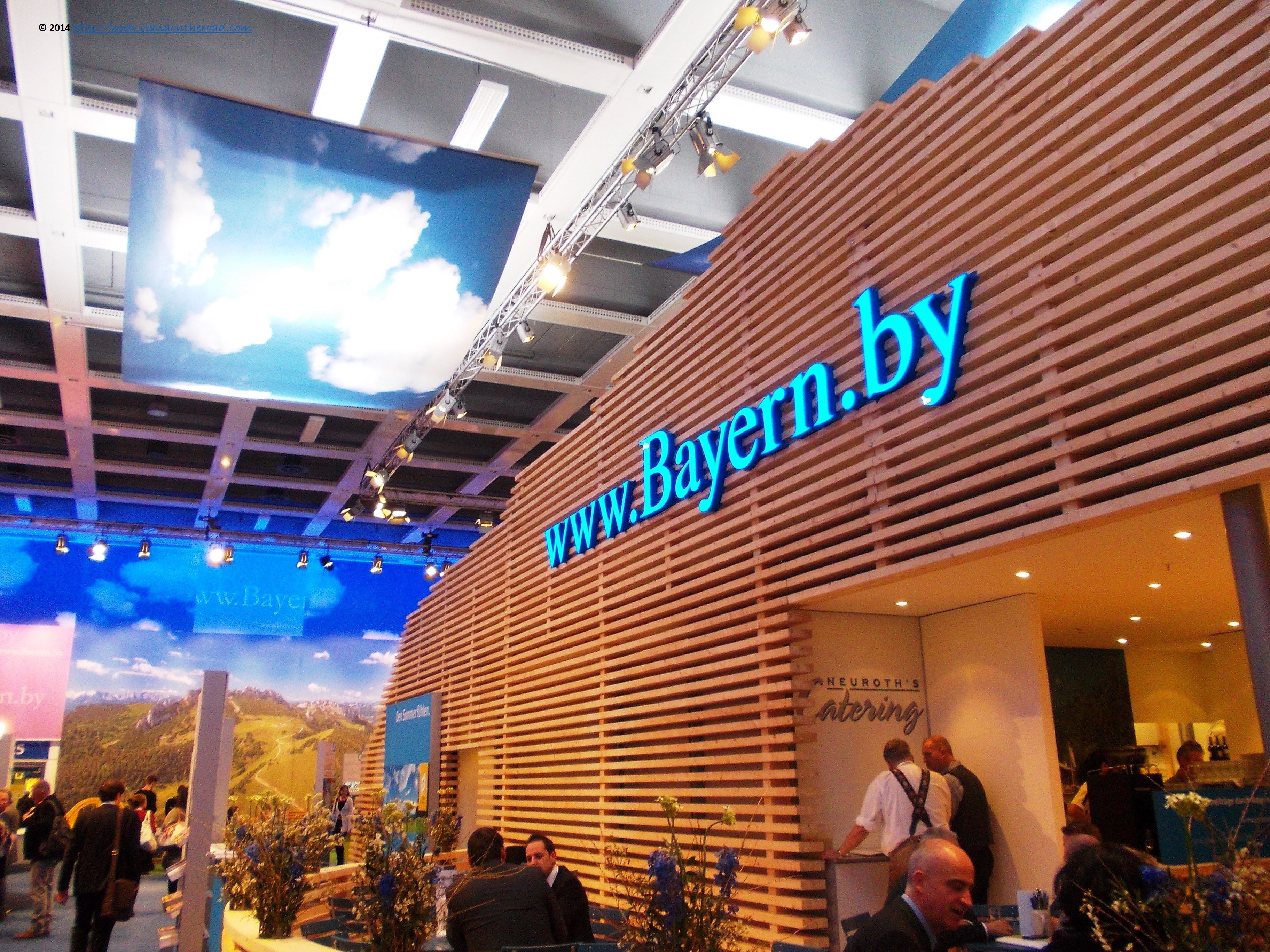
If you only visit ITB, there are tons of interesting things to do. If you go the ITB for work, there are even more things to do and a lot of interesting people to meet. If one day ago, the location of the fair was work in process, in less than 24 hours, everything got a new lift, and the entire place was miraculously transformed in a journey around the world. I spent a lot of time yesterday networking at the German section, presenting my project '100 Places to See in Germany' and finding more hidden gems of German tourism.
Image
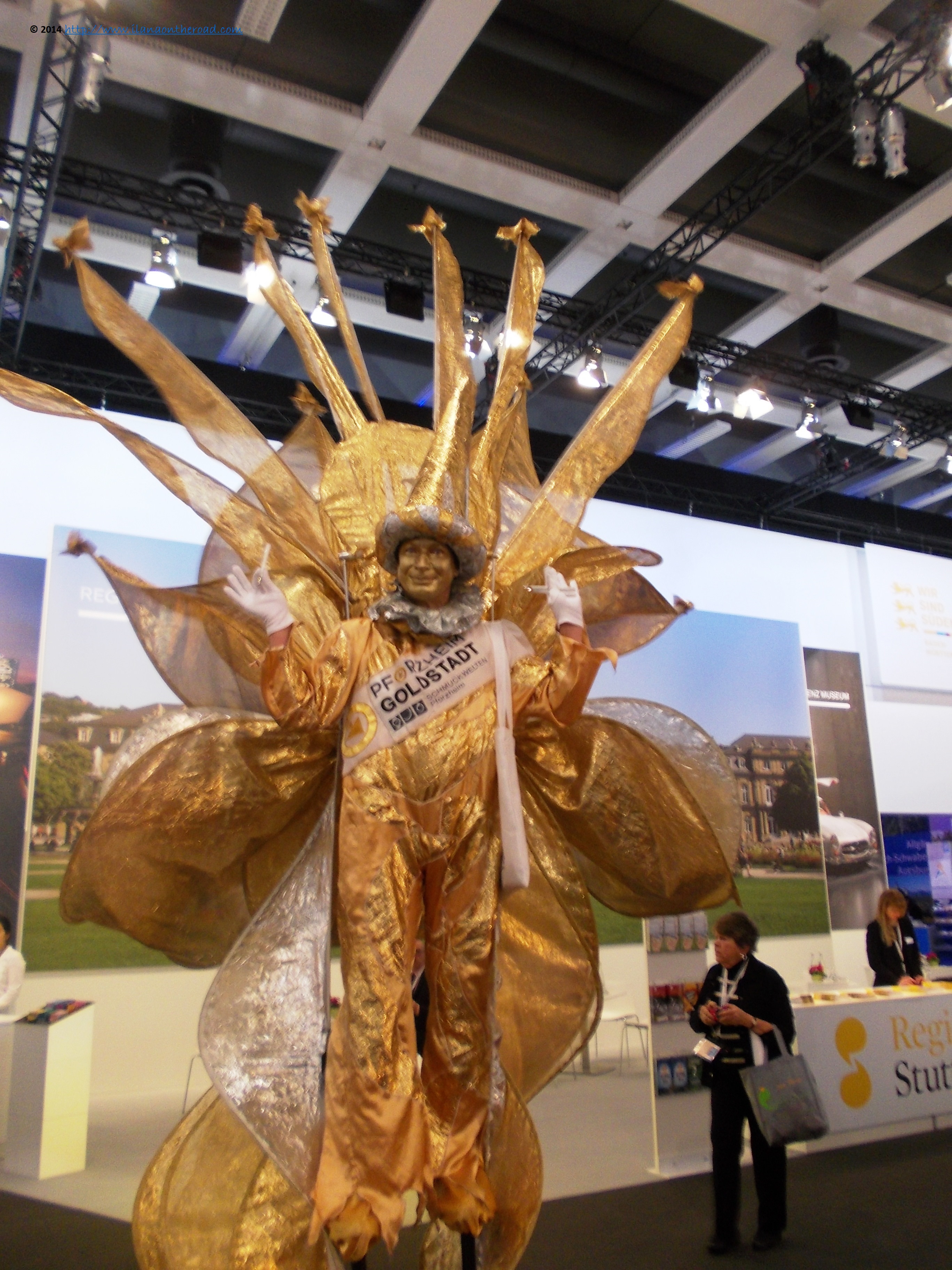
A 'golden' discovery: Phorzheim, an interesting city that offers insights about the local traditions of gold in the Southern area. Another area that was presented yesterday in detail, was Teutoburger Wald, which includes Bielefeld, a city celebrating in 2014 800 years of history, and Nieheim, that this year will held a famous cheese festival.
Image
The next stop: a presentation of the spa and wellness trends, based on an inquiry among German speaking customers. Some of the main headlines: there is a rising demand for hotels to improve the ambiance and the quality of rooms, but also the standards of the customer services. Thus, a lot of changes to be done. 
Image
Changing the continent and the weather, made a short trip to the Israel section where, as usual, a team of highly skilled experts in the hotel and tourism industry are offering a variety of packages for German tourists and companies. Hard work in process.
Image
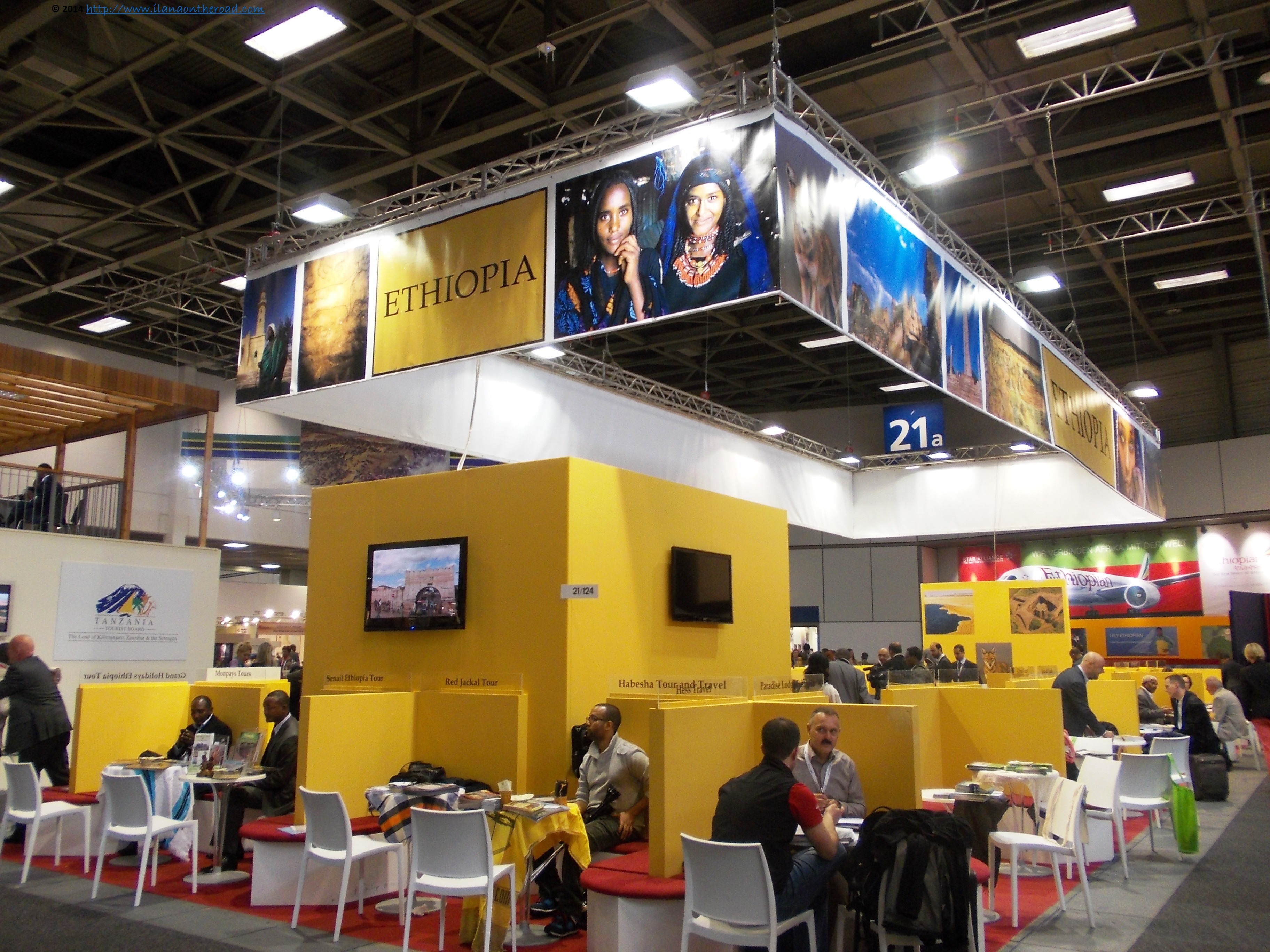
Compared to the last years, Ethiopia is entering the travel arena, with a big pavilion and many travel companies. Good signs for the local tourism and economy, I hope!
Image
The last year was not the best for the Egyptian tourism. This time, the things seem to look better and there is a higher presence at the fair. With many cultural attractions as well. 
Image
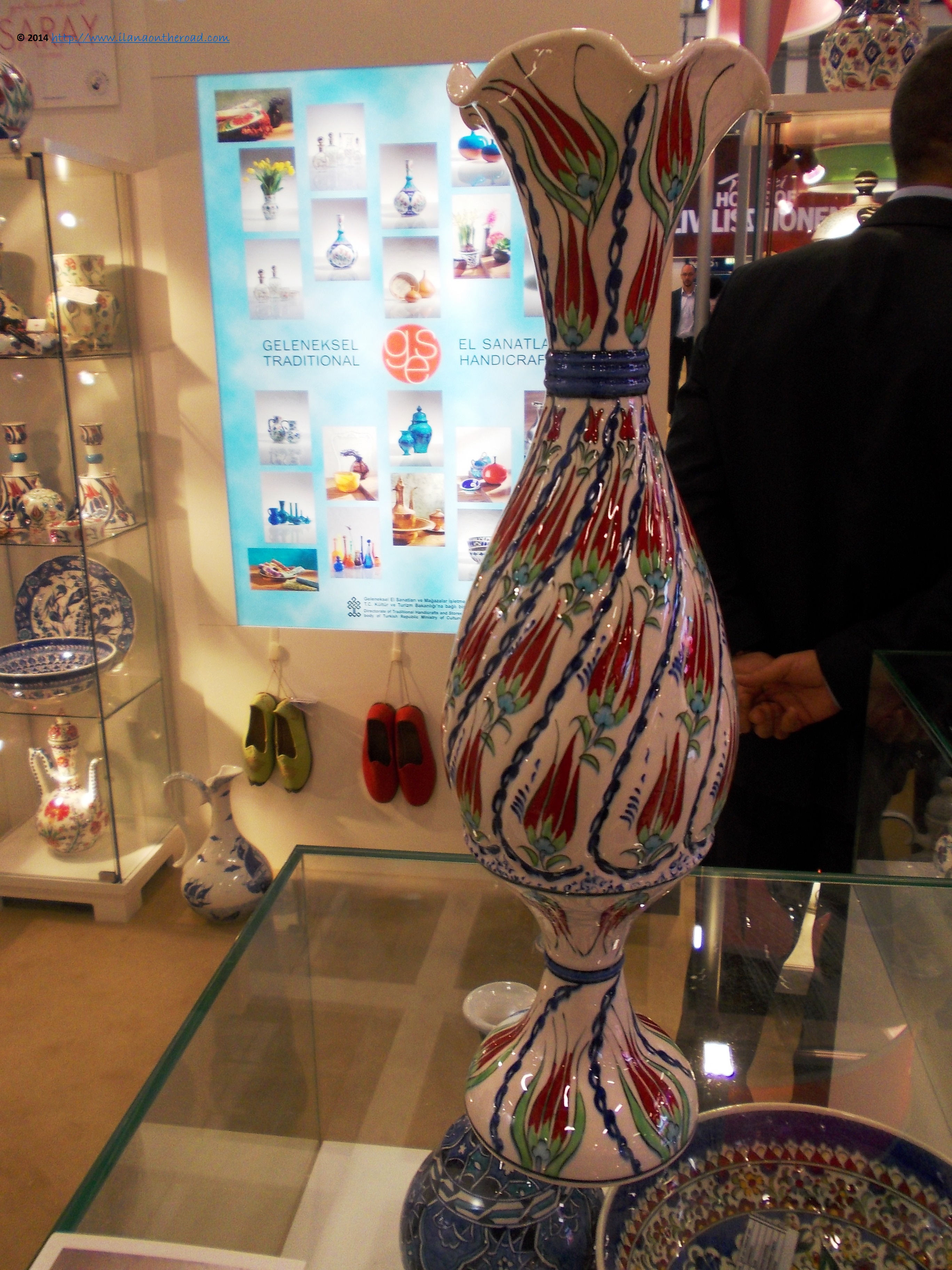
Turkey remains an important tourism partner for Germany, and the offer this year includes leisure, wellness, luxury, but also culture and history.
Image
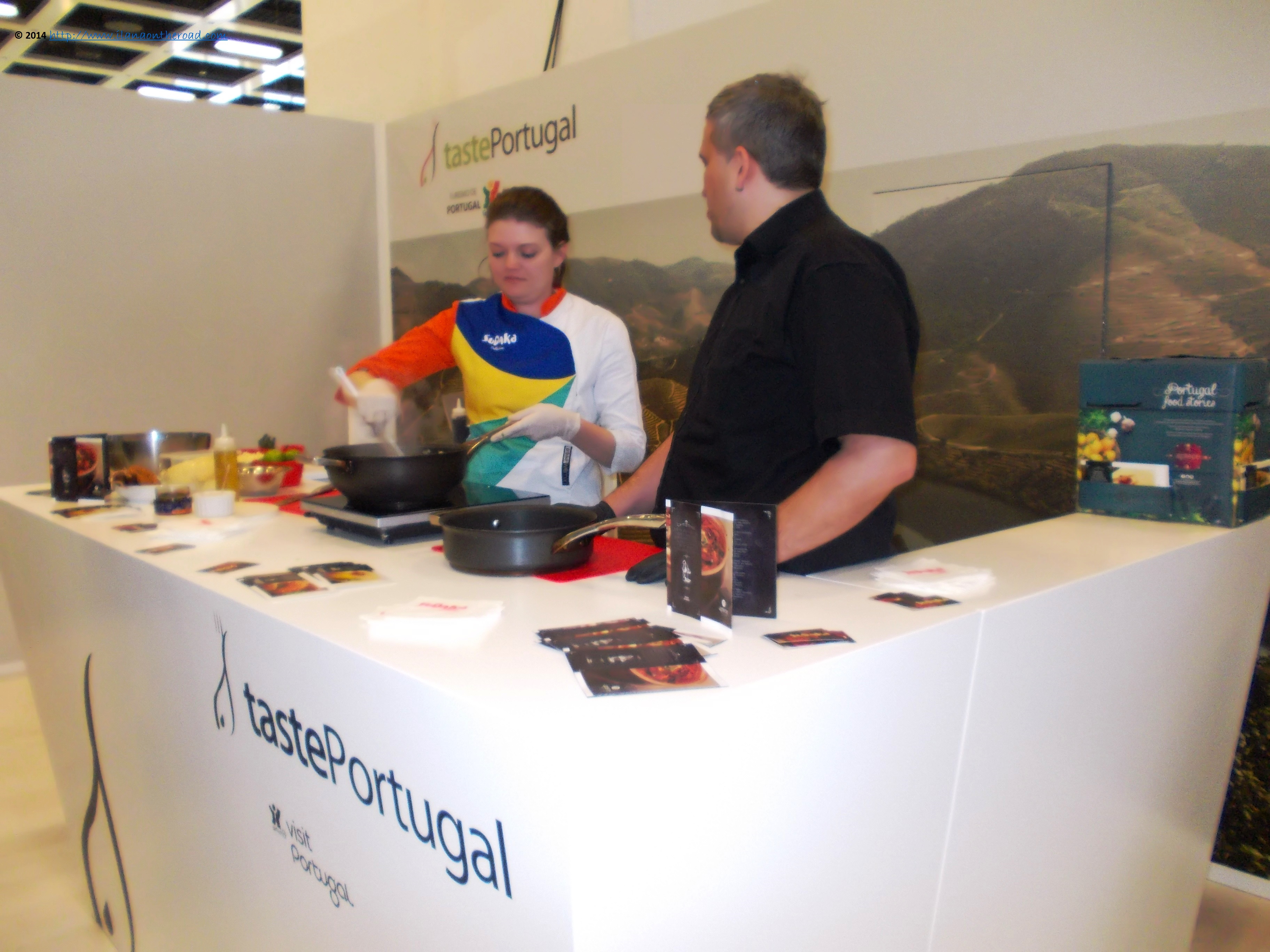
Just in time for lunch, I went to watch a cooking exercise offered by Taste Portugal. A good opportunity to discover a Portuguese restaurant in Berlin. 
Image
Asia is always occupying a very big section and once you enter there you feel the business pace in the air. Everyone is busy and the offer is, as usual, impressive. Sometimes, a little traditional incentive will make you curious to know more. How many of us are familiar with the Taiwanese traditions? It is the right place and moment to find out more!
Image
Another new entry on the world tourism market, Burma/Myanmar is ready to help Europeans and especially German to discover the country and contribute to the well being of its economy. 
Image
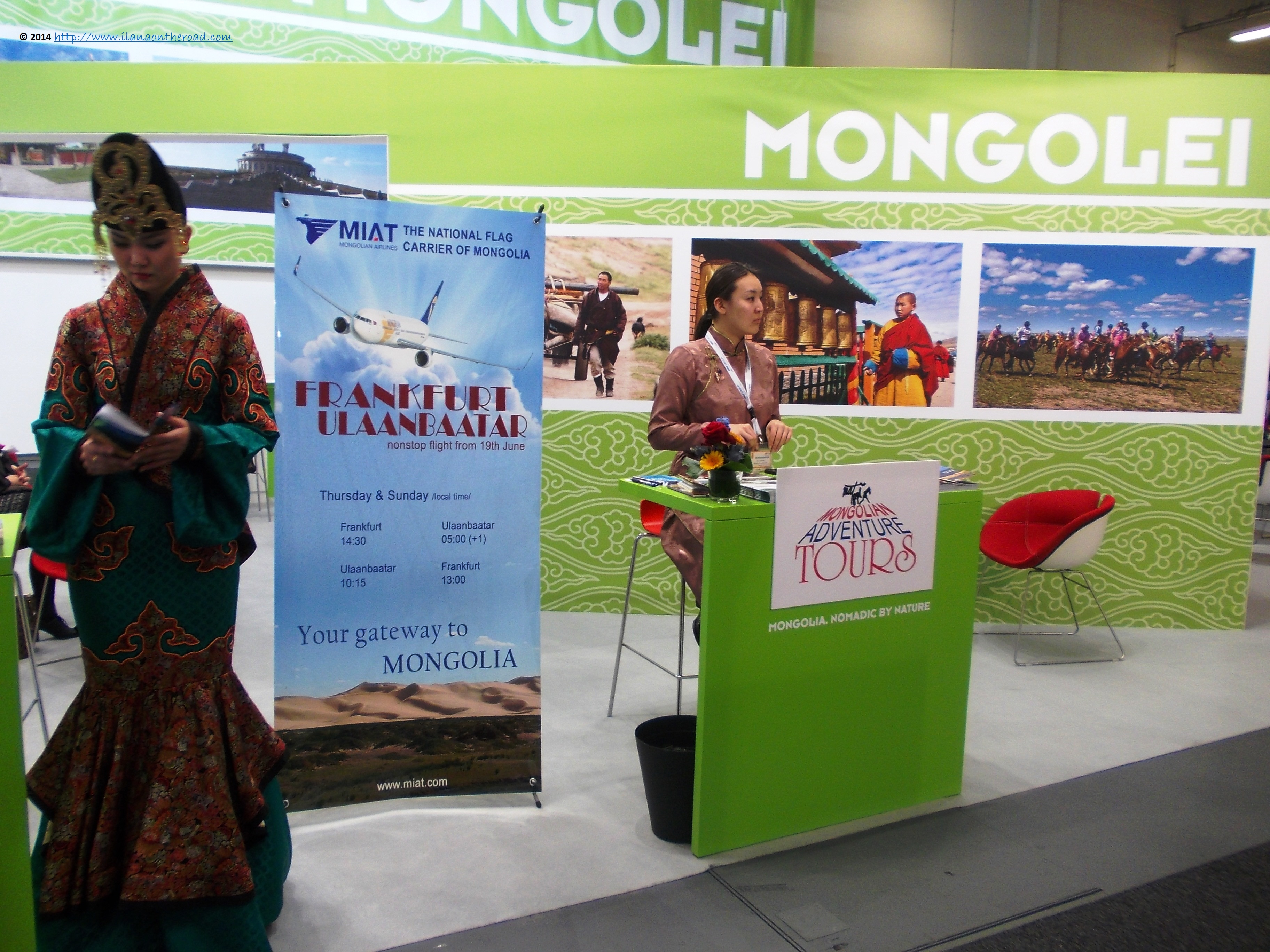
Mongolia is not well known, but is trying to offer more travel opportunities, as this new and apparently convenient connection from Frankfurt. 
Image
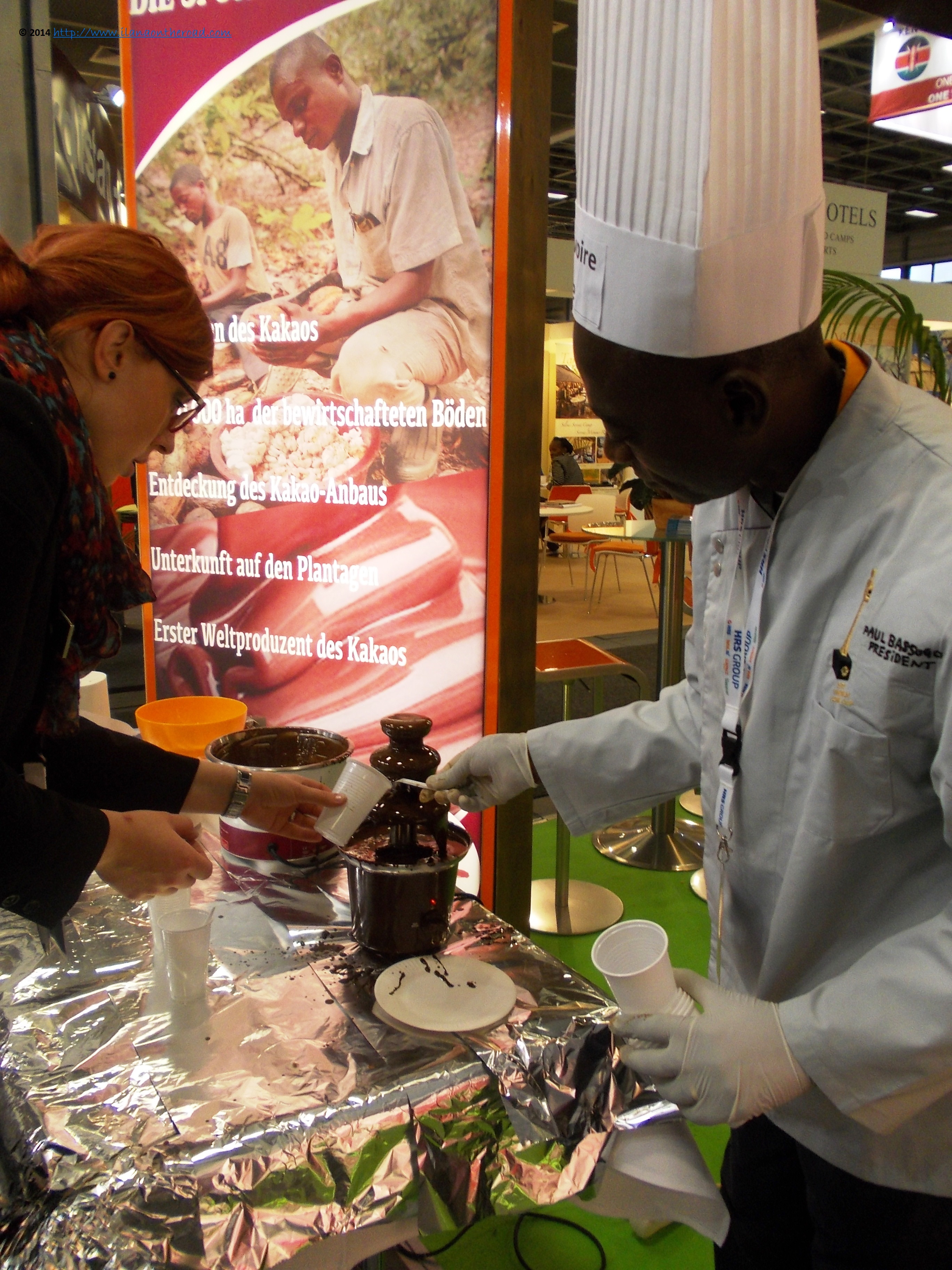
Many countries are offering the visitors the opportunity to taste and smell the flavours and incenses of their culture. An invitation to chocolate is always open at the Ivory Coast. Not many can resist such a temptation.
Image
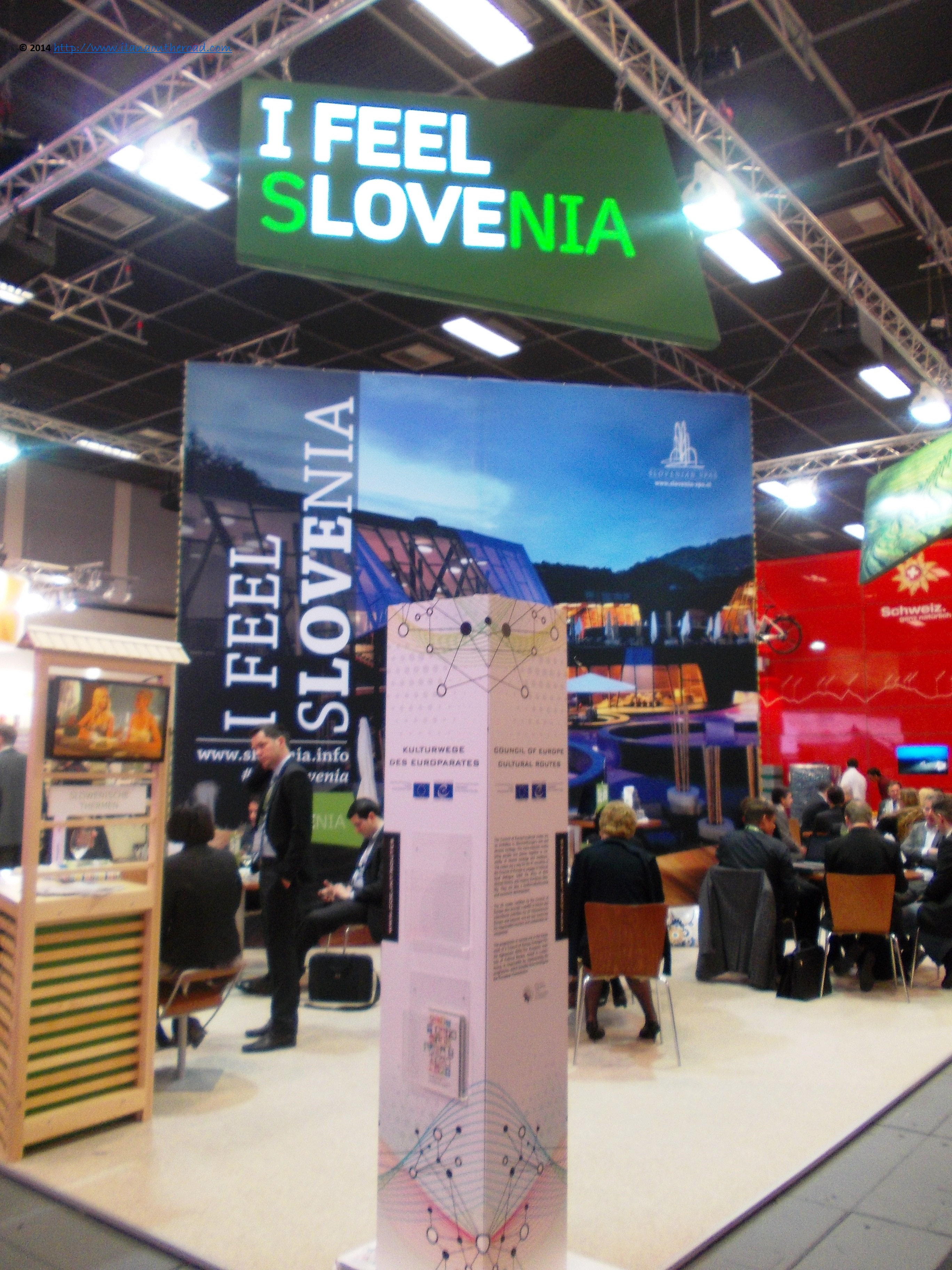
At the end of the first day at the ITB,  I attended the press conference of Slovenia where a new branding campaign 'I feel Slovenia' was introduced. The campaign is aimed to present this country to the German and European market in general. The focus is on emotional stories and images, the European history - the capital city of Ljubljana, the former Roman city of Emona, is celebrating its old roots - and high-quality services.
Now, is time for a new full day at the ITB! To be continued... 

Mittwoch, 5. März 2014

Made in Berlin: Lillika Eden, an eco-design clothes and jewellery concept

Berlin is often branded as a creative city, where startups are mushrooming at every corner and hipsters are the standard of success. I don't like stereotypes - at all - and I am always trying to find out things that are not necessarily obvious, and this goes both with ideas and people. Thus, I launched my own research, Made in Berlin, looking for different success stories of the city. 
For this week, read the story of Julia Muthig, the creative mind of Lillika Eden, an interesting design concept. 
She was born near Frankfurt, in Hofheim am Taunus, and started her love story with drawing as a kid. With 17 years, she spent one year in Japan as an exchange student, where she got to know the language and the culture. Back home, Julia decided to pursue her dream and studied Fashion Design in Zurich. 'Since it always was my dream to have my own Fashion Label, I founded Lillika Eden and was able to start last year working full time at it and realizing my first collection called Pure for autumn/winter 2014/15', she said.
Here is a short interview following a discussion and an overview of the collection I made a couple of weeks ago:

What is the main concept of your business?


We unite sustainability and elegance with premium quality and a fair and local production and are located in Berlin, Germany. With “Pure”, our first collection, we offer clothes for women made of organic materials with simple and clear shapes and lines in sizes 32 – 46. In this way, we as a young label are responding to the needs of wearers rather than those of the fashion industry. For us, beauty is not a matter of clothes size. 

Why did you choose Berlin?

I always was connected somehow to Berlin, because my whole family is coming from here. Only I was born and raised near Frankfurt am Main, as my parents and grandparents moved away from Berlin before I was born. But a big part of my family is still living here.
But Berlin is also known for its creativity and has become the fashion design capital of Germany, so I thought Berlin would be perfect to start my fashion label.
What do you think Berlin can offer as a business center for young designers and creatives?


Berlin offers a lot of big events throughout the whole year, with a lot media attention. For me as a fashion designer the most important is the Mercedes Benz Fashion Week that takes place 2 times a year. Berlin has a lot of interesting people and companies that make it possible for me to realize my collections. This city has everything you need for private as well as business life and is especially beautiful during the summer months when the sun is shining and everything is green and in full bloom. 


What are your business plans for 2014?

In January we started the year with the Fashion Week in Berlin and presented our first collection in the Green Showroom. Further we are now working on an online shop for our label as well as our new collaboration partner that produces eco-friendly detergent and goes really well together with our sustainable clothes.
Of course we are planning also the next collection and to attend the Fashion Week again in summer. 

Photos provided by Lillika Eden

Samstag, 1. März 2014

Foodie review: Araya Thai

A visit to Araya Thai restaurant was in the cards for over a year. Tonight, after a relatively uneventful 24 hours, I wanted to see something new and after a little walk around Ku'damm, I dared to enter. It was relatively quiet for a Saturday evening - the restaurant is open in the weekend till 23.00 - with only 2 other tables taken. Inside, an intimate experience, not overcharged by decorations, with a quiet pop Thai background music. 
The service was relatively fast, and in less than 10 minutes, my Tao Hoo Phad King (tofu, with champignons and Chinese mushrooms, ginger and carots) was brought, on a hot plate. The rice, delicious and good cooked accompanied the main meal. As drinks, I wanted a green tea.  
The meal was mild, with a good combination of tastes that didn't requested additional salt or pepper. Not spicy at all, with a natural flavour of ginger that was pleasantly surprising and very tonic. The green tea helped the digestion. In the corner of the main plate, a meticulous veggie installation, made under the gracious Thai art standards. One day, will learn how to do it, I promise myself. 
I ate with pleasure and enjoy the tastes but did not feel full so decided that the rambutan compote can be a good happy ending of my late meal. And I was right. It was brought with two icecubes - don't remember when I saw the last time icecubes at a German restaurant - and tasted delicious, although a bit too sweet. 
Compared with the cheap Thai restaurants fro the Eastern side, it cannot be considered very affordable, but adding the good and fast service, the delicious meals and the diversity of the menu, I can say it is a right price (and less than 20 EUR. anyway). It also has take-away service that, as far as I observed, is ready within 15 minutes. 

Montag, 24. Februar 2014

A mini-tour of cultural institutions in Berlin

A couple of weeks ago, part of the Woerlitz Tourism trade, I went to a tour of the cultural institutions in Berlin. From the comfort of the leather chairs of a Mercedes bus, I spent 50 minutes passing by bus around one of the usual spots I go by almost once the week, this time being shared histories and details that I was not familiar with. Berlin was and continue to be home to a variety of institutions and cultural attractions, from cabaret to movie theatres and musical theatres.
One of the oldest was created in Alexanderplatz. For instance, in 1824, a private theatre was created here whose aim was to avoid any tragic representations. It was closed in 1848 and shortly replaced by the Deutsche Theater. On the other part of the city, in the Spandauer Viertel, the Jewish emigres from Central and Eastern Europe were developing a culture in Yiddish, including theatre, a genre that started to develop from the 18 century onwards.
Another cultural center that continue to function nowadays is at Hackescher Hof, where maximum 8 kinos. The area also has beautiful galleries hosting modern artists from all over the world, many of them living in Berlin. Another recognized cultural institution is the Museum Insel, part of the UNESCO World Heritage. Further on, around Friedrichastrasse is situated the classical Admiral Palast. On Unter den Linden, the Komische Oper and the Kanzleramt, inheriting Knoll Opa, a place famous in the 1860s and destroyed by the war. Another cultural attraction nearby is the Haus der Kultren der Welt, a present of the US to the city of Berlin in 1957. After the intensive cultural program, Tierpark is offering the green alleys for discussions and complete relaxation.   
The area around Ku'damm was and continue to has an intensive cultural activities. Theater dem Westens, for instance, is changing the repertoire once the year, offering a local variant of Broadway. A couple of minutes away, there is the Helmut Newton Photography Museum. Straight away, direction Charlottenburg, there is Renaissance Theatre, hosting not only modern representations, but also regular book lectures and intellectual discussions. Only a couple of bus stations away is the Deutsche Oper, with more than 1,000 guests. For the summer, the neighbouring Charlottenburg Castle offers concerts and special Romantic menus at the Orangerie restaurant.
Back around Ku'damm, the jazz lovers know that Quasimodo is one of the best places to check in town. I've been there once and enjoy the intimate ambiance and the good quality of the music. The Delfi Kino, situated on the other side of the building was part of the network of Berlinale movies.
Many theatres in Berlin cope with difficult financial times, and 'insolvenz'/bankruptcy was often mentioned in relation with the recent history of cultural institutions in Berlin. Knowing the history of the buildings is important to know exactly what happened with them. For instance, in this building used to be once the Nelson Theatre where Josephine Baker once played.
\
I might say that most of the theatres on Ku'damm are from the leisure category, offering either musicals or various levels of entertainment. For more seriousness, Potsdamer Platz can be an alternative, especially if thinking about the exquisite programs offered by the Philharmonic. Very close, the Museum of Musical instruments gives the opportunity to follow up the social history of music and the Neue Galerie. 
Returning close to Alexandeplatz, Volksbuehne and Kino Babylon, where the original organ for mute movies can still be seen, are the main cultural foci. For the expats looking to continue their good cultural habits even though they don't speak German, the Gorki Theatre recently introduced the English subtitles, a step aimed to encourage more cultural integration of the growing expat population of Berlin.
With so many cultural opportunities around, I might confess that I visited roughly 45% of them. On the Berlin front, more evening out in the cultural scenery of the city are the priority in the next weeks.  

Dienstag, 18. Februar 2014

Iceland performance at Volksbühne

When I don't travel, I either read a book or go out to a cultural events that will inspire a next trip. Tonight, I was lucky enough to participate at the final repetition for an exceptional performance that will be played to the public starting with 19th February, at the Volksbuehne. The idea is made in Iceland, and the interpretation belongs to the Filmorchester Babelsberg and Filmchoir.
Translated as the Explosive Sonics of Divinity, the mise-en-scene is inspired by the book of the Noble Prize laureate Halldor Laxness. The performance combines the composition of Kjartan Sveinsson, former keyboard player of the only band I knew in Iceland, Sigur Ros, and the stage paintings of Ragnar Kjartansson. 
The stage changes four times, offering the spectacular background for each of the four parts of the 1-hour show. It starts on a very intense low tone, repeated and amplified several times by the cello. The background is a sea, with trees under the wind. The second scene develop the first musical theme, through various changes of register. The main role is played by the choir.
As in the first case, a musical segment is developed, repeated or slightly changed. This gives a certain feeling of serenity. 
The scene no. 3 is the most spectacular with a fire on the stage, with pieces of wood cracking while the violins are playing an optimistic yet shy score. 
The end was too near, with a last scene with the entrance into a cave and a delicate woman voice interfering with the orchestra. The overall monotony remains, bringing peace slowly, a last attempt before the end. Wish it lasted more. 
Because the musical message is very clear, it is recommended also to non-German speaking expats. As for me, as expected this encounter with the Icelandic culture made me even more curious to explore it further and, why not, visit the country soon. 

Samstag, 15. Februar 2014

Louisa's Place: Kuda'mm's best kept secrets

Ku'damm is my favorite areas in Berlin, and it's always something new to discover and see around. A couple of weeks ago, I was invited to have a tour of a lovely hotel: Louisa's Place.
Here is the review published on my main travel blog: http://ilanaontheroad.com/2014/02/15/louisas-place-kudamm-best-kept-secrets/ 

Mittwoch, 12. Februar 2014

Early spring afternoon in Neukölln

The spring is seriously out in the air, inviting me to continue the exploration of areas from Berlin where I don't go usually. This time, my choice is Neukölln. I stop at the S-Bahn station with the same name, and go out direction Karl Marx Street. Close to the entrance, colourful fruits and the cries of vendors announcing significant discounts create a lively ambiance. The area is considered a sample of local 'multi-kulti', with plenty of shops selling local products - spotted a Polish and Indian one only within my first 15 minutes of walk. 
Directions to the main areas of interest appear every 150 meters. From the complex of statues in Karl Marx square, I go to Richardplatz. Most houses around are complexes of houses built after the war, whose sobriety is contradicted by colourful graffiti and messages in various languages.
Neukölln is considered a heaven of foodies and restaurants of all sorts are at every corner of the street. A couple of years ago, I had once an innocent beer at this Villa Rixdorf restaurant. The spirit of the spring conquered not only the nature, but also the hip inhabitants of the area. Two youngsters are talking relaxed on a mattress on the pavement, as it is no tomorrow.
A couple of meters away, there is a small forge workshop, usually open during the cultural events organized on the occasion of the 48 Hours Neukölln: the two days when the center of Berlin moves here, the exhibitions are open till late in the night and unique concerts and happenings bring here thousand of people. But before and after, the poet slams and other attractive events are continuing.
Recently, I discovered the traces of a small Czech colony in Potsdam. Religious refugees from the Bohemian lands, like the Huguenots from France, settled in the German lands bringing their cultures and customs. In Neukölln it used to be a Boehmisches Dorf/Bohemian Village and a small 2-room museum retraces their history through pictures and samples of material culture. 
From 1700 till today, in this corner of Berlin, the Czech minority kept their traditions and organized regularly various street festivals and concerts, while wearing their traditional costumes.
From the museum, I took the advantage of the good weather and went in the Copernicus Garden, where you can enter only by pushing an ingenious systems of buttons opening the door. Except the mud, it was a pleasant walk.
This quarter seems to offer a repertoire of traditional jobs, such as this old distillery that is proudly presenting old and new products in the window. 
The more I walk around, the more I understand why my friends living here are rarely showing up in my part of town. There are not only delicious Turkish delights and cheap shops, but also various cultural opportunities, such as Heimathafen Theatre where usually topics related to multiculturalism and ethnic diversity are approached.
 Nearby, an exhibition about a German locality close to the border to Poland, at Heimish gallery.
I go through the passage of the Neukollner Oper, with a small kino with bar, and arrive at a flea market.
Everyone is busy here to buy cheap and bargain for almost nothing. At the first sight, except the smell, the pieces of furniture don't look too tempting, but if you have time and not too much money, you might find something to start a new life.  
More walking, before having a short look at some big discount shops, the classical Arkaden and other traditional shops. As I always wear (quite) long skirts, the shops here are always having a good selection of good products, but this time I religiously avoid shopping. The big townhall seems to be a place of gathering for youngsters.  
In the lobby, a mosaic map of Neukölln, explaining the evolution of the borough from the Middle Ages till now, in a colourful way. 
I walked for more than 3 hours, discovering every 100 of meters something new. What about some food? As I am on Sonnenallee, there are a lot of choices, many featured in magazines and blogs. This time, I am not pretentious and I am happy to enjoy a 'proletarian' vegetarian meal at Al-Safa made of hummus, grilled cheese, and a very good salad with mint, and cucumber and tomatoes. Plus Lebanese bread. While eating, I have a look at the customers keen to have their own doner, a display of the mini-Neukölln world: from the policeman, to the young creative and the mother with hungry children. 
On the way back, I stop in several small sweet shops, to buy more delicious desserts for home. All were eaten within minutes and I suppose soon will be back in Neukölln for a new culinary and cultural adventure.